
How to Choose a Tattoo Shop in San Antonio

A tattoo stays with you through job changes, milestones, weekends on the river, and every version of yourself that comes next. That is why choosing a tattoo shop in San Antonio should be about more than finding an open appointment or the lowest advertised price. You are choosing an artist, a process, and the level of care behind permanent artwork.
The right studio makes the experience feel personal without making it unpredictable. It listens to the story behind your idea, gives you honest artistic guidance, and creates a design that fits your body as well as your taste. Here is what separates a thoughtful tattoo decision from a rushed one.
Start With the Artist, Not Just the Tattoo Style
Tattoo styles have names - realism, fine line, traditional, anime, black-and-grey, neo-traditional, color - but those labels only tell part of the story. Two artists may both offer realism, for example, while one specializes in portraits and another excels at dramatic wildlife or cinematic scenes. Fine line can mean delicate botanical work, minimal symbols, detailed lettering, or intricate ornamental designs.
Look closely at an artist's portfolio for consistency. Clean lines should look intentional, shading should transition smoothly, and saturated color should be placed with control. For portraits and realism, study proportion, expression, and contrast. For traditional or neo-traditional work, pay attention to solid color packing, readable outlines, and strong composition. The goal is not to find a portfolio with one impressive image. It is to find an artist whose work repeatedly reflects the quality and visual direction you want on your own skin.
It also helps to look for healed work when it is available. Fresh tattoos can appear especially bright or sharp because the skin is still reacting to the session. Healed examples give a clearer picture of how an artist's linework, shading, and color retention perform over time.
Choose a Tattoo Shop in San Antonio That Designs for You
A strong tattoo should not feel like an image pasted onto a body. Placement changes everything. A design that looks balanced on a flat screen may need to be redrawn to follow the curve of a forearm, shoulder, calf, ribcage, or thigh. Size matters, too. Details that look beautiful at two inches may blur together as the tattoo ages.
Custom work gives you room to make those decisions before the needle ever touches skin. During a detailed consultation, a professional artist should ask about your concept, reference images, preferred style, placement, size, skin tone, and the meaning you want the piece to carry. They should also be willing to explain when a particular idea needs adjustment for readability, longevity, or anatomy.
That guidance is not a dismissal of your vision. It is part of the collaboration. An experienced artist knows when a tiny portrait needs more space, when fine lines need breathing room, or when a cover-up requires darker elements than the original concept. The best result usually comes from bringing a clear idea while leaving space for professional design judgment.
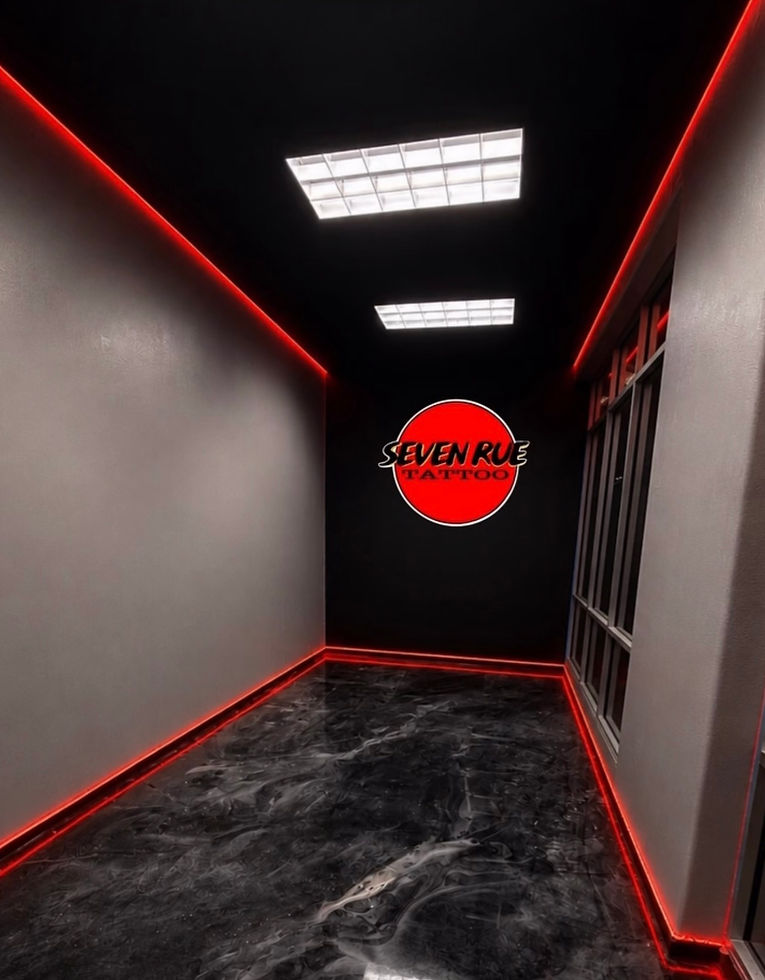
At Seven Rue Tattoo, the custom process is built around that balance: your story and visual preferences guide the work, while the artist shapes those ideas into a tattoo designed to last.
Bring References, but Do Not Expect a Copy
References are useful because they communicate mood, subject matter, color direction, and style. You might bring a photo of your dog, a favorite anime character, a floral arrangement, or examples of linework you love. But a reputable custom studio should not simply reproduce another tattooer's work exactly.
Original design protects the creative integrity of the tattoo and makes the piece yours. It can also solve practical issues that a copied image would ignore, such as your placement, desired scale, and skin's natural contours. Ask how the artist approaches references and what parts of the idea can be customized.
Hygiene Is a Non-Negotiable Standard
Creative work belongs in a tattoo studio, but cleanliness must lead every step of the appointment. A professional environment should be organized, visibly clean, and equipped for proper sanitation. Artists should use single-use needles and disposable barriers where appropriate, wear fresh gloves, and set up equipment in a way that prevents cross-contamination.
Premium inks and sterile equipment matter, but so does the discipline behind them. Pay attention to whether the studio explains its hygiene practices clearly and treats your questions with respect. First-time clients, especially, should never feel embarrassed for asking how equipment is prepared or what aftercare will involve.
Your artist should also provide direct aftercare instructions. Healing varies by placement, tattoo size, skin type, and how well you protect the area from friction, sun exposure, and unnecessary soaking. Clear guidance helps preserve the result you invested in and lowers the risk of avoidable healing problems.
Get Clarity on Price Without Chasing the Cheapest Quote
Tattoo pricing is often difficult to compare at a glance because custom work is not a one-size-fits-all service. The cost may reflect size, placement, complexity, color, session length, design time, and the technical demands of the style. A small, simple fine line tattoo may take far less time than a full-color piece with detailed background work. A cover-up may require strategic planning and multiple sessions.
A clear quote after consultation is more useful than a vague number before anyone understands the project. Ask what the estimate includes, whether the work will be completed in one session, and what may change the final cost. Transparent communication is a sign that the studio respects both your time and your budget.
The trade-off is straightforward: a lower price can be tempting, but correcting faded color, weak linework, poor placement, or an unsuccessful cover-up can cost more than choosing the right artist from the beginning. Permanent artwork deserves a decision based on proven skill and fit, not a bargain alone.
Ask the Questions That Protect Your Experience
A consultation is not just a booking step. It is your chance to see how the studio communicates. You should leave with a better understanding of the design direction, expected appointment length, preparation steps, pricing approach, and healing plan.
Ask how the artist recommends preparing for the session. In general, arrive rested, hydrated, and having eaten a solid meal. Avoid showing up sunburned, and be honest about medications, allergies, or skin concerns that could affect the appointment. If you are planning a tattoo before a beach trip, wedding, or major event, talk about the timeline. A tattoo needs time to heal, and sun, swimming, tight clothing, and excessive sweating can complicate that process.
For larger work, ask how the artist plans sessions and whether the design will be developed as a complete project. A sleeve, back piece, or leg project often looks stronger when its elements are considered together rather than added one isolated tattoo at a time.
Trust the Feeling, Then Trust the Evidence
A tattoo appointment can feel vulnerable. You are sharing a personal idea, making decisions about your body, and committing to art that will be visible long after the session ends. You should feel welcomed, heard, and professionally guided.
Still, comfort alone is not enough. Pair that feeling with evidence: a portfolio that matches your goal, a clean and organized studio, transparent consultation, experienced execution, and an artist who can explain why a design choice will work. That combination gives you confidence without turning the experience into guesswork.
The right tattoo is not rushed into existence. Give your idea the time, collaboration, and skilled hands it deserves, then wear the finished piece as art that still feels like you years from now.


Comments