
Can Scars Be Tattooed Safely? What to Know

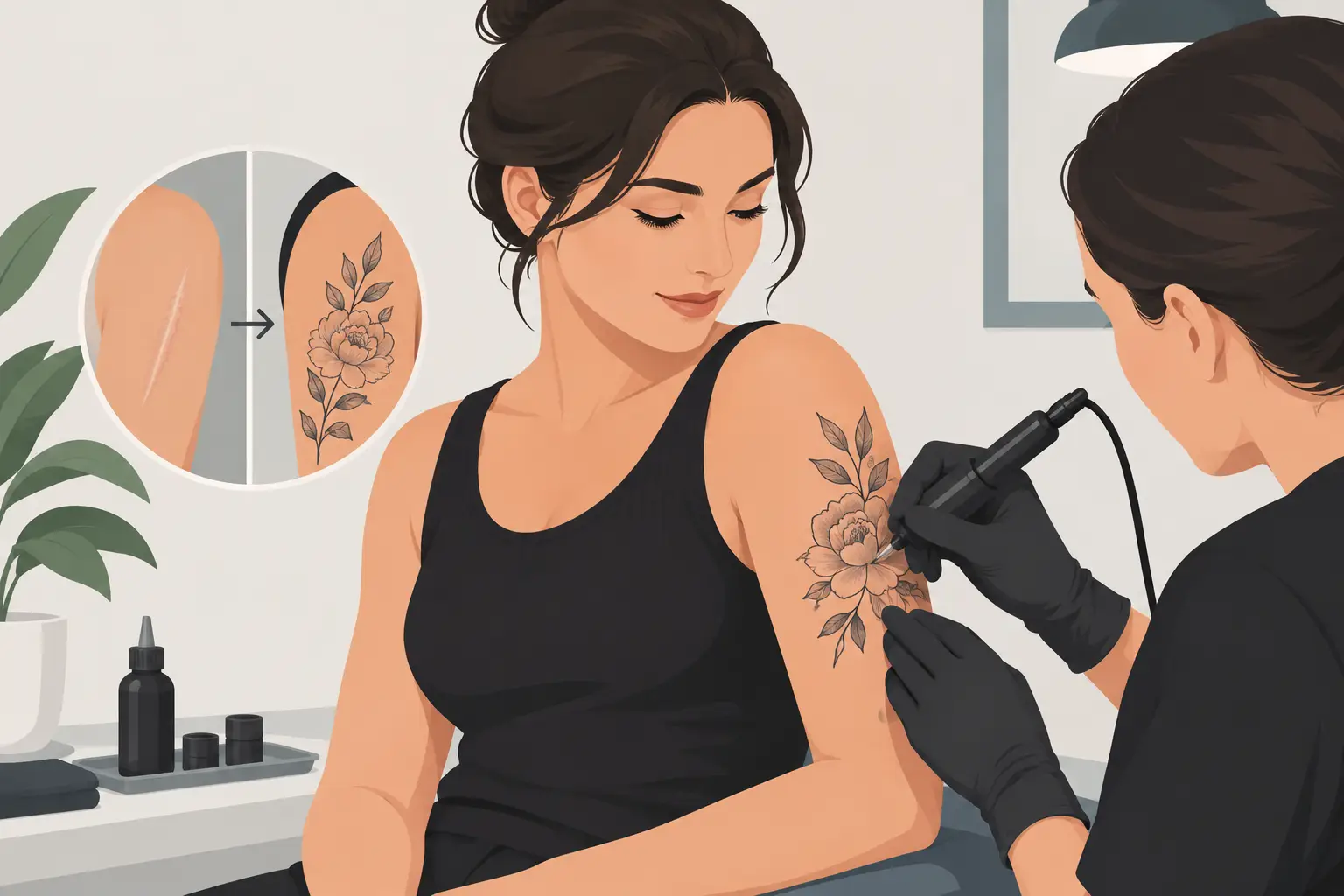
A scar can hold a complicated chapter: surgery, injury, childbirth, a burn, a hard season, or a body change that took time to accept. For many people, tattooing is not about hiding that history. It is about choosing how to frame it. But can scars be tattooed safely? Often, yes - when the scar is fully healed, the design is suited to the tissue, and the work is planned by an experienced tattoo artist with safety as the first priority.
Scar tissue is not the same as untouched skin. It can be thicker, thinner, less elastic, more sensitive, or less responsive to ink. That does not make a scar untattooable. It means the process deserves more thought than selecting a design and picking a date.
Can Scars Be Tattooed Safely After They Heal?
The biggest factor is healing. A fresh scar should never be tattooed. Even when the surface looks closed, the deeper tissue may still be remodeling. Tattooing too early can cause irritation, disrupt healing, create additional scarring, and lead to unpredictable results.
As a general guideline, many scars need at least 12 to 18 months before tattooing is considered. Some may need longer, especially scars from major surgery, deep burns, skin grafts, keloid formation, or injuries with ongoing sensitivity. A scar that is still red, purple, raised, itchy, painful, shiny, tight, or changing in texture is usually not ready.
A fully matured scar is commonly lighter in color and stable in shape. It should not feel inflamed or tender. Even then, timing is individual. A reputable artist will assess the area in person and may recommend waiting rather than pushing forward with a session that could compromise your skin or the final artwork.
If your scar resulted from surgery or a medical condition, ask your physician or dermatologist whether tattooing is appropriate. This is especially wise if you take medications that affect healing, have diabetes, have an autoimmune condition, are prone to keloids, or have had radiation treatment in the area. An artist can evaluate tattoo suitability, but medical clearance belongs with a qualified medical professional.
Why Tattooing Scar Tissue Requires a Different Approach
Scar tissue changes the technical side of tattooing. An artist cannot assume the skin will take pigment, stretch, or heal like the surrounding area. Ink may settle unevenly in scarred skin, particularly with dense packing, ultra-fine detail, or smooth realism gradients. Some scars retain color beautifully; others may need a touch-up after they heal.
Sensitivity is another variable. Nerve endings can be altered by an injury or procedure. One client may feel very little over a scar, while another feels sharper sensation around its edges. Communication during the appointment matters. A professional artist will check in, adjust the pace when needed, and avoid overworking an area just to force saturation.
The scar’s location also matters. Areas that move constantly or receive friction from clothing can be more challenging. A C-section scar, for example, may be affected by changes in the abdomen over time. A scar over a joint has to flex with the body. A chest scar may have a different texture from a scar on the arm. Good design is not only about what looks strong on day one. It is about what can heal and age well on that specific part of the body.
The Scar Type Can Change the Plan
Not all scars behave the same way, and a consultation should account for that. Flat surgical scars and mature linear scars are often among the more straightforward candidates, provided they are fully healed. They can be integrated into florals, ornamental patterns, script, animals, geometric elements, or larger black-and-grey and color compositions.
Raised scars require more caution. Hypertrophic scars stay within the boundaries of the original wound but may remain thick or elevated. Keloids grow beyond the initial injury and can continue expanding. Tattooing over either type may irritate the tissue or trigger more scar growth, particularly for clients with a personal or family history of keloids. In those cases, a medical opinion should come before any tattoo plan.
Burn scars and skin grafts can be highly individual. Their texture, blood supply, sensation, and ability to hold ink can vary across even a small area. A thoughtful design may work around parts of the scar rather than covering every inch of it. That is not a compromise. Often, it creates a more intentional piece and protects the long-term result.
Choose a Design That Works With the Skin
The strongest scar-covering tattoos do not try to fight the anatomy. They use it. A curved scar may become a stem, a wave, a branch, the path of a dragon, or part of an ornamental frame. A broader area of texture may call for bolder forms, layered shading, or a composition that extends naturally into healthy skin.
Fine line work can be beautiful, but it is not always the best choice directly over uneven scar tissue. Lines may heal less consistently where texture changes. Similarly, very light colors or tiny high-detail elements may not create the coverage a client expects. An experienced artist will explain where the design can carry detail and where a stronger shape, darker contrast, or strategic placement will produce a cleaner result.
For some clients, the best answer is not a full cover-up. It may be a tattoo that incorporates the scar as part of the artwork. This approach can preserve the story while changing the way the area feels visually and emotionally. The goal is not to erase a past experience. It is to create body art you feel proud to wear.
What a Responsible Consultation Should Cover
A scar tattoo deserves a real conversation, not a rushed answer from a photo. During a detailed consultation, the artist should look at the scar’s age, color, texture, placement, and surrounding skin. They should ask about how the scar formed, whether it has changed recently, and whether you have had issues with healing or excessive scarring.
You should also discuss the outcome realistically. No artist can promise that scar tissue will absorb ink exactly like unscarred skin. There may be slight variation in color, texture, or line consistency after healing. Depending on the piece, a touch-up may be part of the plan. Clear expectations protect the work and give you confidence in the process.
At Seven Rue Tattoo, a custom consultation is where the creative and technical planning comes together. The focus is on building original artwork around your story, your placement, and the condition of your skin - not fitting a meaningful decision into a generic design.
Safety Starts With the Studio, Then Continues at Home
Safe scar tattooing requires the same non-negotiable standards as any tattoo: sterile equipment, single-use needles, professional-grade inks, clean surfaces, and an artist who follows strict hygiene practices. Scarred skin is not a reason to cut corners. It is a reason to be even more exacting.
Aftercare matters just as much. Follow your artist’s instructions closely, keep the tattoo clean, avoid soaking it, and protect it from direct sun while it heals. Do not pick flakes or scabs, even if the tattooed scar feels uneven during the healing phase. Contact a medical professional if you experience spreading redness, increasing pain, fever, pus, or other signs of infection.
Give the tattoo time before judging the final result. Skin can look cloudy, dry, or inconsistent while healing, and scar tissue may settle more slowly than the surrounding area. A healed assessment allows the artist to see what the skin retained and whether any refinement is worthwhile.
A scar does not have to limit your ability to create art on your body. Bring clear information, give your skin the time it needs, and work with an artist who values precision over promises. The right tattoo can honor where you have been while making space for what you want to see next.


Comments